Checking out the Scientific Research Behind Car Ceramic Coating and Its Protective Features
The scientific research of car ceramic coating presents a fascinating research study in innovative auto protection. Composed mostly of silicon dioxide and polymers, these layers create a robust bond with lorry paint. This communication boosts sturdiness against environmental risks while offering hydrophobic benefits. The complexities of exactly how these layers work and their lasting advantages continue to be less recognized. Ceramic Coating Newark. Unboxing these information exposes why ceramic layers are coming to be a preferred choice for automobile treatment
What Is Ceramic Coating?
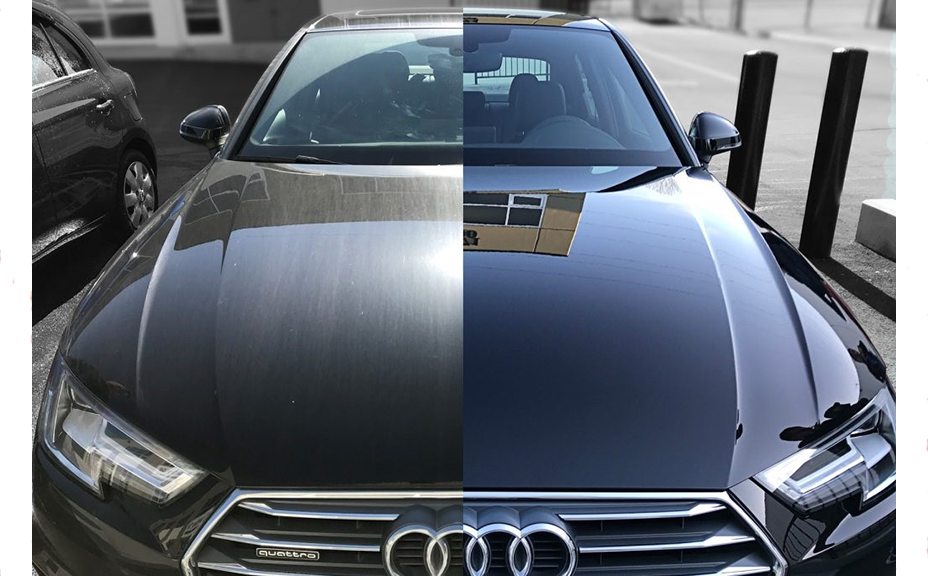
Ceramic coating is a liquid polymer that chemically bonds to the surface area of a vehicle's paint. This innovative protective layer improves durability and provides exceptional resistance to environmental variables. Unlike traditional wax or sealers, which offer short-lived defense, ceramic layers create a long-lasting shield that can endure harsh conditions such as UV rays, acidic impurities, and severe climate. When applied properly, the coating forms a hydrophobic surface area, creating water to grain and slide off, which helps in keeping the automobile's sanitation. In addition, it supplies improved gloss and depth to the paint, making the car show up more sleek and vibrant. The application process usually includes comprehensive surface area preparation, consisting of cleansing and polishing, to assure peak bonding. Consequently, ceramic finishings are coming to be significantly popular amongst car enthusiasts and those looking for to protect their investments, guaranteeing to maintain the vehicle's visual charm while lowering the frequency of maintenance.
The Composition of Ceramic Coatings
The intricate formulation of ceramic finishings primarily consists of silicon dioxide (SiO2), which is originated from natural sources like quartz and sand. This vital component supplies the foundation for the coating's sturdiness and safety high qualities. Along with SiO2, ceramic coatings typically include numerous polymers and additives that enhance adhesion, versatility, and resistance to ecological factors. These compounds function synergistically to create a durable barrier against contaminants such as dust, chemicals, and UV rays.Furthermore, some formulas include titanium dioxide (TiO2) or various other nanomaterials, which can augment the coating's hydrophobic residential or commercial properties, resulting in better water repellency. The accurate make-up can differ substantially amongst suppliers, influencing efficiency and durability. Inevitably, the combination of these components finishes in a safety layer that not just enhances the aesthetic charm of automobiles but also serves to prolong their life-span by securing the surface from possible damages.
How Ceramic Coatings Job
Understanding just how ceramic finishings function involves exploring their chemical structure, which adds to their safety high qualities. The application procedure is necessary for accomplishing suitable results, while long life and longevity elements establish the coating's effectiveness gradually. Together, these elements highlight the benefits and efficiency of ceramic coverings for vehicle defense.
Chemical Composition Explained
While numerous car owners seek long-lasting security for their lorries, the chemical structure of ceramic finishes plays a vital role in their performance. These finishings largely contain silicon dioxide (SiO2), which is acquired from natural minerals. This compound forms a solid bond with the lorry's paint, developing a resilient, safety layer. Furthermore, lots of ceramic coatings contain titanium dioxide (TiO2), enhancing their hydrophobic homes and resistance to UV rays. The presence of polysiloxanes can additionally enhance versatility and resilience. With each other, these aspects add to the coating's capacity to repel water, dust, and pollutants, while likewise offering a high-gloss surface. Comprehending this chemical foundation assists car owners appreciate the durable security provided by ceramic finishes.
Application Process Overview
Applying ceramic coverings includes a careful procedure that guarantees ideal bonding and security for the vehicle's surface. Extensive cleaning and purification of the car's outside are executed to eliminate dirt, crud, and previous waxes. This action validates that the surface area is without impurities that could hinder adhesion. Following this, the paint is often brightened to enhance clarity and eliminate any type of blemishes. When prepared, the ceramic coating is used in small sections making use of an applicator pad, enabling for uniform protection. The coating is then left to heal, developing a solid chemical bond with the surface area. Appropriate treating times and conditions are essential, as they confirm the coating attains its maximum performance and safety top qualities.
Longevity and Durability Variables
Ceramic coatings are developed to give long-lasting defense with their sophisticated chemical make-up, which creates a robust barrier against environmental contaminants. The longevity of these layers is influenced by elements such as the density of the application, the quality of the product, and browse around here the problems under which the vehicle is exposed. High-quality ceramic finishes can last numerous years, withstanding scrapes, UV rays, and chemical discolorations. Appropriate upkeep, including routine cleaning and periodic reapplication, can additionally boost longevity. Furthermore, environmental variables like environment and exposure to pollutants can affect the life-span of the coating. Overall, when applied and kept appropriately, ceramic coatings offer exceptional toughness, making them a popular choice for car fanatics seeking to protect their vehicle's look.
Hydrophobic Properties and Water Repellency
Hydrophobic residential or commercial properties are a characteristic of top quality car ceramic coverings, significantly improving the automobile's surface performance. These finishings develop a molecular bond with the car's paint, resulting in a surface that fends off water efficiently. When water enters contact with a ceramic-coated surface area, it beads up and rolls off, reducing the quantity of fluid that continues to be on the paint. This actions not only adds to an aesthetically pleasing look but also decreases the build-up of pollutants such as dust, gunk, and roadway salts.The improved water repellency causes easier cleansing and upkeep, as less initiative is called for to remove undesirable substances. On top of that, the hydrophobic nature of ceramic coatings helps in protecting against water spots, which can mar the coating of uncoated surface areas. On the whole, the consolidation of hydrophobic properties in ceramic coverings plays a vital function in preserving the vehicle's beautiful look while simplifying maintenance.
Defense Against Scratches and UV Damage
Car ceramic finishings supply significant security against scrapes and UV damage. The scratch resistance mechanism produces a durable layer that soaks up effects, while the UV securing advantages aid keep the car's paint stability in time. Together, these attributes add to a longer-lasting and visually appealing coating.
Damage Resistance Device
Utilizing advanced innovation, ceramic layers offer a durable guard versus scrapes and UV damages, improving the durability and look of lorry surface Discover More areas. The scrape resistance device of these coatings is attributed to their distinct molecular structure, which creates a sturdy bond with the automobile's paint. This bond creates a hard, protective layer that can soak up impacts and resist abrasions. Additionally, the smooth surface of the coating minimizes friction, making it difficult for contaminants to stick and cause scratches. The chemical structure of ceramic coatings typically consists of nanoparticles that strengthen the protective layer, additional enhancing its strength. Consequently, lorries treated with ceramic layers show markedly boosted scrape resistance compared to typical wax or sealers, guaranteeing a beautiful finish in time.
UV Shielding Perks
The protective qualities of ceramic finishings expand beyond scratch resistance to include considerable UV shielding advantages. These coverings develop a durable barrier that mirrors damaging ultraviolet rays, safeguarding the vehicle's paint and underlying products. Extended direct exposure to UV radiation can lead to fading, oxidation, and degeneration of the paint finish. By incorporating ceramic coverings, vehicle owners can properly alleviate these risks, preserving the visual charm and honesty of their autos. Furthermore, the UV blocking homes add to boosted long life, lowering the frequency of painting and maintenance. Inevitably, the integration of ceramic finishes supplies a comprehensive remedy for securing lorries from the destructive impacts of sun direct exposure, ensuring a continual, dynamic appearance gradually.
The Durability and Upkeep of Ceramic Coatings
Regularly Asked Questions
Can Porcelain Coating Be Applied to Any Type Of Kind Of Vehicle?
Ceramic coating can be used to numerous kinds of lorries, including cars and trucks, trucks, and motorcycles. Nonetheless, surface area preparation and compatibility with details products are necessary for optimal attachment and effectiveness of the coating.
Exactly How Much Does Ceramic Coating Normally Cost?
Ceramic coating typically costs in between $500 and $2,000, depending upon aspects such as car size, coating quality, and expert application. The investment can provide resilient defense and boost the lorry's look over time.
Is Professional Application Necessary for Best Outcomes?
The need of specialist application often depends on preferred outcomes. Professionals generally guarantee proper surface preparation and application strategies, causing optimal bonding and durability of the coating, which may be challenging for inexperienced people to attain.
Can Porcelain Coatings Be Removed or Repaired?
Ceramic layers can be removed or fixed, though the process might call for particular solvents or techniques - Ceramic Coating Newark. Correct removal is essential to prevent damage to the underlying surface, highlighting the relevance of professional help for suitable outcomes
Just How Does Porcelain Coating Contrast to Traditional Wax?
The comparison between ceramic coating and standard wax reveals that ceramic coverings supply superior longevity, boosted security against ecological pollutants, and longer-lasting luster, while wax calls for more regular application and provides less overall resistance to damage.